

Up in My Head:
Why Understanding Your Problem Isn’t the Same as Changing It

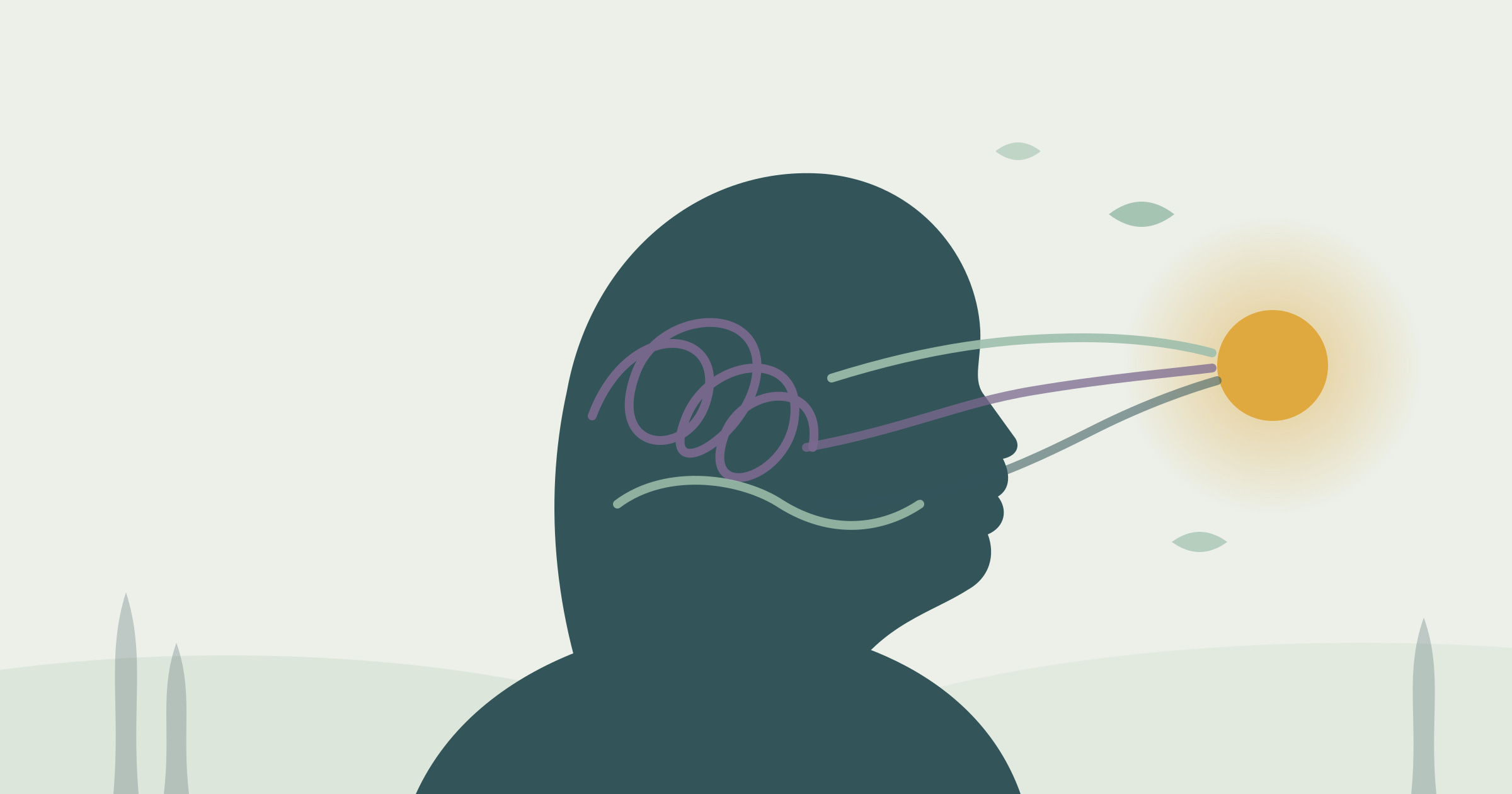
There is a lot of thinking going on out there. Or rather, a lot of over-thinking. It’s what I call being “up in my head” and if you recognise that feeling, this article is for you.
The people who come to me are nearly always self-aware. Many have been in counselling. They can tell me, in detail, all the reasons why they have a habit or behaviour they keep repeating. And that is exactly why they arrive feeling frustrated. Let’s face it we don’t need another book, podcast, programme or training on how the brain works. There is more information available to us than ever before. There is also a lot of misinformation, a lot of complicated language around neurological conditions, and a lot of self-diagnosing. I’m not a medical professional, doctor or psychiatrist, and I would never claim to be. I am trained and qualified in hypnotherapy and neuroscience linguistic programming (alongside other modalities) and in the fundamentals of how the brain works and what I see, again and again, is that understanding a problem is not the same as changing it.
When the head takes over
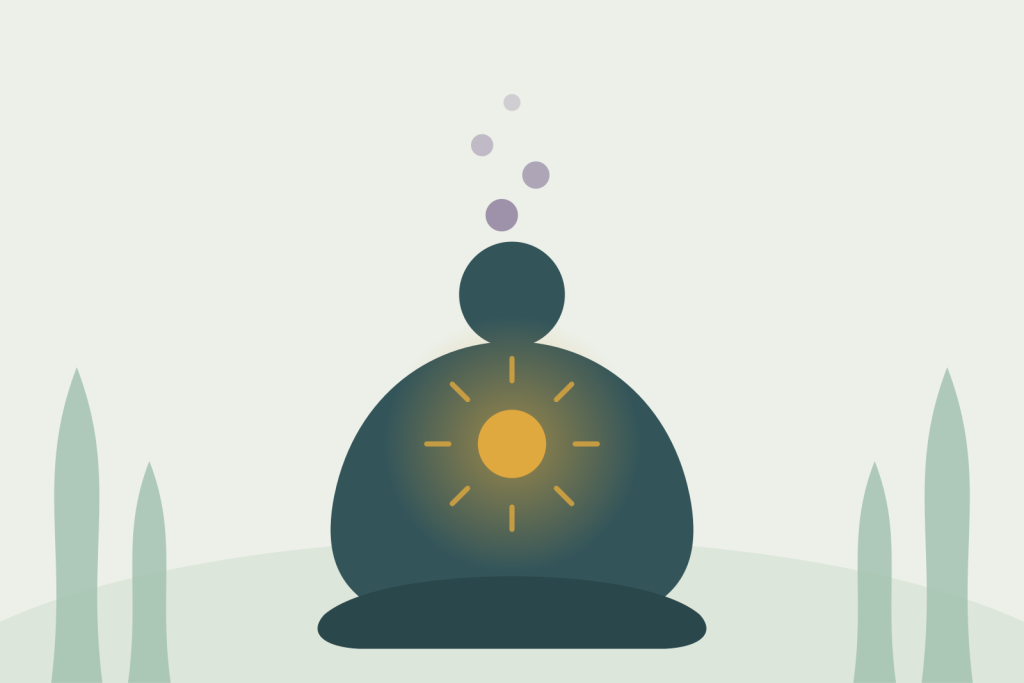
In the Western world we learn that the brain is what matters most, academia, being clever, being intelligent. But here’s the thing: being in touch with our emotions is just as important. Why? Because it is our emotions that inform us about the world around us. Whether we like the taste of a food, trust a person or if we safe. An emotion happens internally before the thought.
When we live entirely up in our heads, we become disconnected from those emotions. And so life becomes a struggle, anxiety at work, in relationships, in life generally. Most of the people I see have tried traditional or psychodynamic counselling and felt better in the moment, but the relief didn’t last. For a few, I am the first person they have ever spoken to openly.
I know, because I lived it
For years I was up in my head myself, using alcohol to numb my feelings, living with panic, anxiousness and depression, at times just wanting to check out. Today I know what peace in my body and mind actually feels like. As a human living on this planet, I still have moments of worry, just like everybody else, bills, family, the state of the world and so on. The difference is that those moments no longer run me.
You are not alone in your struggles, or in how you cope with them. I know that in the moment it can feel as though you are. But more and more people are looking for a way of managing those feelings and the thoughts that follow.
How the change happens
Hypnotherapy blended with NLP (Neuro Linguistic Programming) works by reframing and rewiring the neural pathways that have been running your life up to now. Most of our habits and behaviours were learned from our caregivers in our formative years. But here’s what surprises people: you are also carrying a rucksack packed by the generations before you. Many of the beliefs running your programme were never written by you at all.
You may hear yourself saying something your mother, father or grandparents used to say, and smile: “I sound just like…” Exactly. It was never yours.
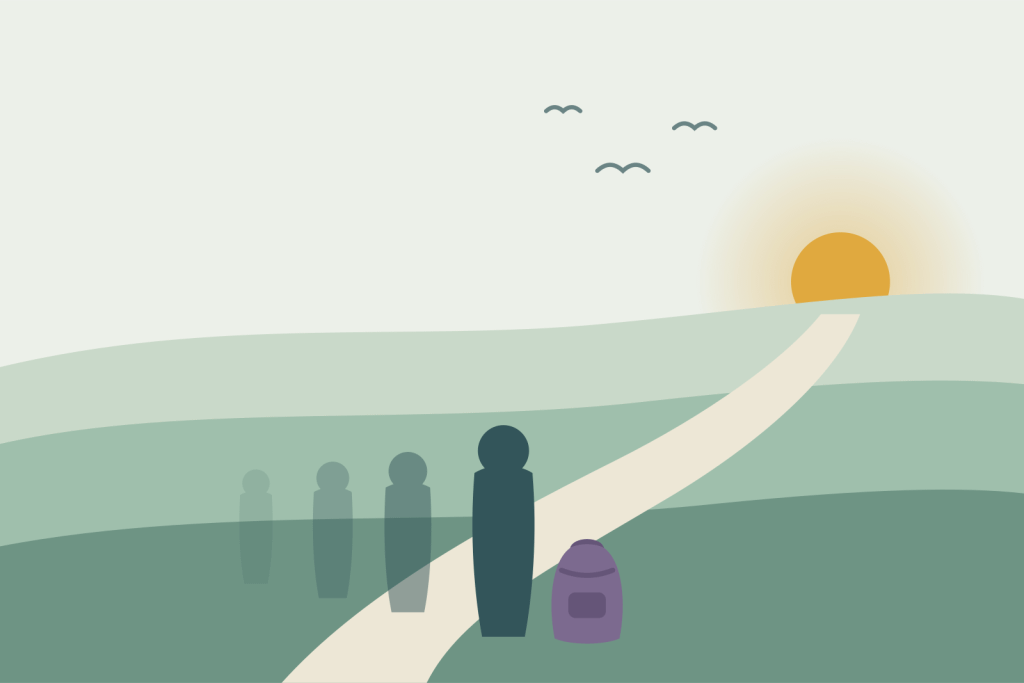
After a first session, my clients typically report feeling relaxed, calmer and more at peace. They notice small differences in how they respond to others and in how they think. Small differences that grow.
What would it feel like to put the rucksack down?
If any of this resonates, if you’re tired of understanding your problem without it ever changing, I’d love to talk. I offer consultations online, and work both in-person and online, so wherever you are in the English-speaking world, we can work together.
the line that really stands out for me is "you are also carrying a rucksack packed by the generations before you. Many of the beliefs running your programme were never written by you at all." once you realise that it almost gives you permission to disregard them!